Commercial Waste Removal in Blackheath
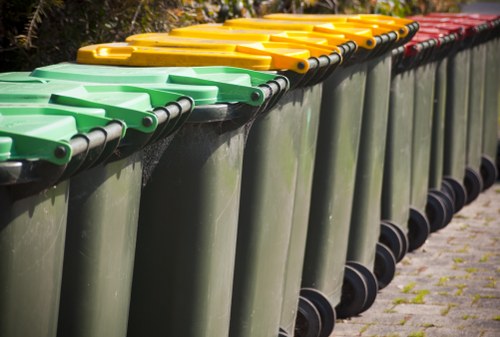
Commercial waste removal in Blackheath is about keeping business premises clear, orderly and ready for everyday work. We handle mixed commercial waste streams with a practical approach that suits offices, shops, hospitality spaces, studios and other workplaces that need collected materials removed without fuss. The focus is on sensible loading, careful segregation where required, and an efficient route from site to lawful disposal or recovery.
Our main service covers routine clear-outs and one-off collections where commercial premises have built up items that no longer need to stay on site. That can include office furniture, fixtures, packaging, archive materials, broken equipment and general non-hazardous waste. We can also support businesses that want a tidier back room, a safer store area or a more workable schedule for disposing of bulky items. If you are planning a clearance, tell us what needs moving and we can help shape the collection.
For a more tailored quote, it helps to note the type of waste, the access arrangements and whether lifting, separation or loading support is needed. Clearer information usually makes the quotation process simpler, especially when the job involves bulky contents, multiple floors or mixed materials. You can use the pages below to explore our main services, the items we commonly handle and the details that may affect how a collection is arranged.
Business waste collections for day-to-day premises
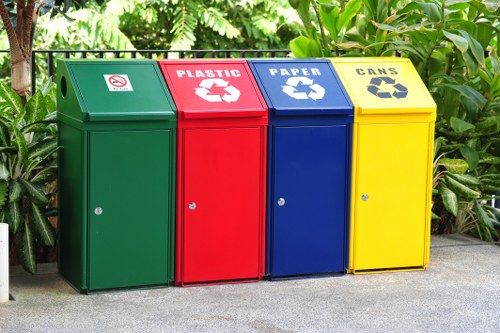
Business waste collection is the core of what we do for commercial sites in Blackheath. Many workplaces produce a steady flow of cardboard, packaging, obsolete paperwork, worn office items and assorted non-hazardous rubbish that needs clearing in a reliable and practical way. A commercial collection can be arranged to remove the accumulated material in one visit, which helps free up storage areas and keep walkways, stock rooms and work zones more usable.
Where relevant, the collection can be planned around the layout of the premises. Ground-floor access, shared entrances, lifts, narrow stairwells and basement storage all affect how waste is moved, so it is sensible to describe the site clearly at the outset. Weight, volume and ease of access are all important to a proper quote. For businesses with repeated disposal needs, it can also help to review our business waste removal page alongside the main service overview.
What a commercial collection can include
Commercial collections are often broader than simple bag removal. They may involve loose mixed waste, dismantled counters, shelving, packaging from deliveries, old stock containers or items that have reached the end of their use. The aim is to remove the material safely while keeping the rest of the premises undisturbed. If you are comparing disposal options, our waste removal page explains the general service scope, while the commercial-specific approach remains focused on business premises and workplace needs.
Office clearances and workplace furniture
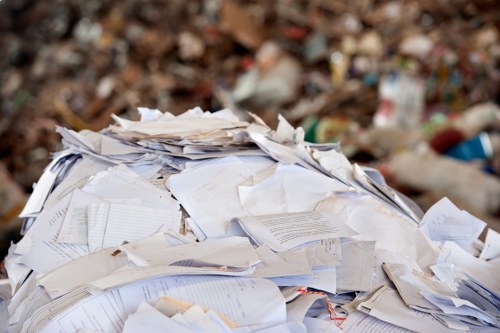
Office clearances often require more than simply taking away a few unwanted desks. Workspaces may contain chairs, filing cabinets, meeting tables, storage units, monitors, small electrical items and stacks of redundant materials that need sorting before removal. The practical challenge is to clear the room in a way that supports the next stage of the fit-out, relocation or reorganisation. That means handling the collection with care and keeping item movement controlled through communal areas where needed.
If your workplace is being reconfigured, a clearance can focus on particular zones rather than the whole building. This is useful when only some rooms are being emptied or when certain assets need to stay in place for continued use. For more detail on that type of job, the office clearance page is a relevant place to look, and it sits naturally alongside the broader commercial waste service. When office furniture is the main issue, the furniture clearance page may also help explain the scope.
Good office planning usually comes down to the sequence of work. Heavier items are best moved after smaller loose waste has been bagged or boxed, and reusable equipment should be separated from material that is going straight for disposal. This keeps the job orderly and can reduce handling time on site. If shredding of confidential paper is needed as part of an office tidy-up, our confidential shredding page gives a useful related option.
Bulky items, fixtures and specialist disposal
Many commercial waste removal jobs in Blackheath involve awkward or bulky items that are not easy to move through a busy premises. That may include reception furniture, display stands, storage units, white goods, worn mattresses from guest accommodation or outdated equipment from staff areas. These items often need two-person handling, sensible route planning and enough space to load safely without blocking normal business activity. The collection should be based on the actual items present rather than a generic estimate.
Where a business has specific item categories to remove, it is worth checking the relevant service page before requesting a quote. For example, appliance-related collections can be reviewed on fridge and appliance removal, while furniture-heavy clearances are covered further on the mattress and sofa disposal page. Although those pages describe particular material types, the overall commercial service still follows the same principle: identify what is present, then remove it with appropriate handling and disposal routes.
Some premises also need clearance work that extends beyond furniture and general waste. If you are dealing with a garage, storage area or mixed utility space as part of a commercial site, the garage clearance and flat clearance pages can help you understand how we approach more contained areas. For heavier or more awkward building-side material, our builders waste clearance page is the better match.
Planning a quote for commercial removals
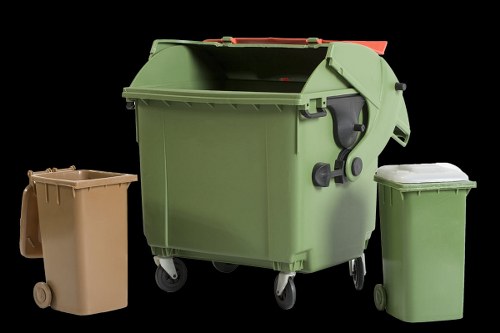
A useful quotation starts with the basics: what needs removing, how much there is, where it is located and whether the items are loose, stacked or fixed in place. Businesses often find it helpful to make a short list rather than trying to describe everything in broad terms. If several kinds of waste are involved, grouping them by room or by item type can make the job easier to assess. That is especially useful when the same clearance covers a back office, storage cupboard and loading area.
The second point is access. Lift availability, stairs, parking, loading distance and any restricted times for collection all have a bearing on the final plan. If the premises sit within a busy part of Blackheath, it may also help to mention whether the job must be fitted around customers, deliveries or staff movement. You can review the practical side of arranging a collection on our pricing and quotes page, then use contact us when you are ready to ask for a quotation.
- List the main items that need clearing.
- Note any stairs, lifts or tight access points.
- Say whether the material is mixed, bulky or item-specific.
- Include any timing limits that affect loading or collection.
Recycling, re-use and waste handling choices
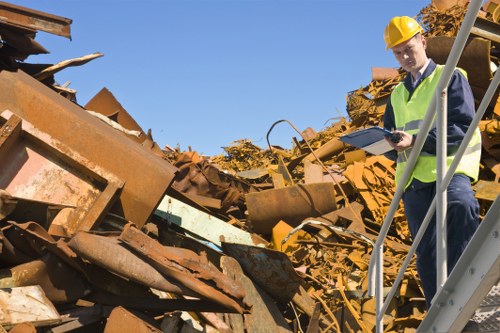
Commercial waste removal is not only about taking items away; it also involves making sensible handling choices once the material is collected. Some items may be suitable for reuse, some for recycling and some for disposal through the correct waste route. A straightforward collection benefits from that separation because it reduces unnecessary handling and helps ensure the waste stream is treated properly according to its type. For businesses, that is often a practical consideration rather than a technical one.
If your company is considering how to manage waste more consistently, the recycling and sustainability page gives a useful overview of how recovered materials may be approached. Not every item will be suitable for the same route, so it is sensible to treat each load on its own merits. The key decision is usually whether the material is still usable, can be broken down for recycling or needs removal as mixed waste. A clear description at enquiry stage helps the process move smoothly.
For businesses with a mix of loose rubbish and reusable fittings, a combined clearance can often be the most practical option. It avoids separate visits for each category and keeps the premises moving towards a cleaner, more functional layout. If you are ready to discuss the work, request a quotation with the item details you already have and we can help from there.
Hazardous or sensitive materials
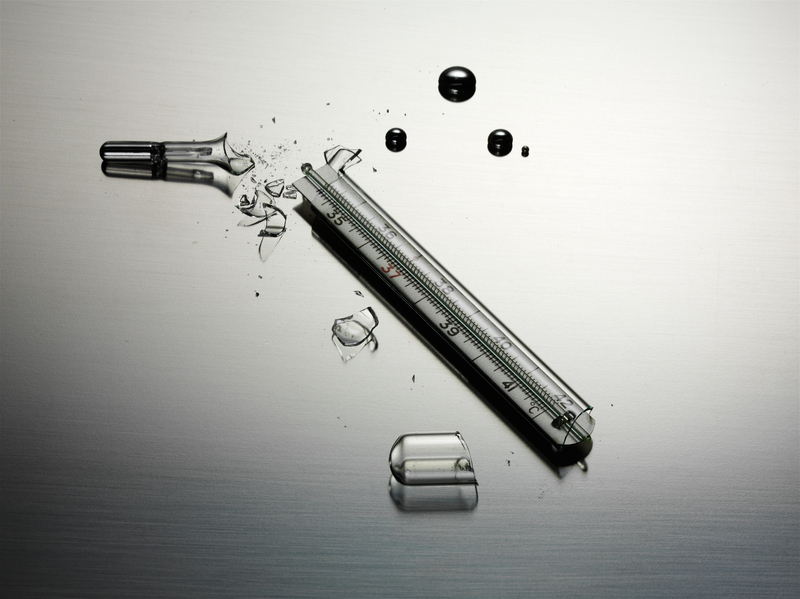
Some commercial sites produce waste that needs more careful assessment than ordinary office or furniture clearance. This might include substances, containers or residues that should not be mixed with general waste. In those cases, the priority is to identify the material correctly and decide whether it belongs in a specialist stream. Not every unusual item is automatically hazardous, but it is sensible to treat unknown materials with caution until they are checked.
Where specialist handling is relevant, the hazardous waste disposal page is the appropriate place to review the scope of that service. If the job also involves secure document handling rather than ordinary office rubbish, the confidential shredding page gives a related route for paper-based material. Keeping these categories separate supports better planning and avoids assumptions that everything can be removed in the same way.
When describing sensitive waste, it helps to be specific about containers, labels, residue and whether any item has been stored with other materials. That information allows the collection to be assessed more accurately and keeps the conversation focused on the actual waste present. If you are not sure whether something falls into a specialist category, raise it in the enquiry and describe what you can see rather than guessing.
Home-based commercial removals and mixed premises
Some Blackheath businesses operate from properties that combine domestic and commercial functions, so the waste profile can be mixed. A home office, studio, consultancy room or small trading base may produce both general household-style items and material that should be treated as business waste. The practical answer is to identify which items are part of the business operation and which belong to the residential side, then plan the collection accordingly.
That kind of mixed job can overlap with house or flat clearances when a business is based in a property that is not a standard office. Our house clearance and home clearance pages explain related types of removal, while the main commercial service remains the best fit for items generated through trading activity. If a storage loft or basement is part of the site, the loft clearance page can also be relevant to the layout.
For small operators, the important thing is usually not the scale of the job but the clarity of the list. Even a modest collection can still need sensible loading and correct disposal if it includes a few bulky pieces, mixed paper waste or outgrown stock. That is why a concise description of the premises and the items usually leads to a more accurate and useful response.
About Blackheath
Blackheath is a historic area in south-east London, best known for its wide open heath and its position on the edge of Greenwich and Lewisham. The name refers to the large expanse of common land that has shaped the character of the district for centuries, and the area still feels unusually open compared with many parts of inner London. Blackheath station provides rail links, while the surrounding streets include a mix of Georgian and later residential architecture that reflects long periods of development around the heath. The area has also been associated with public gatherings, sporting activity and movement across south-east London, giving it a strong sense of shared space rather than a purely commercial identity.
Commercial support for clear-outs and scheduled collection
Some businesses need a one-off clearance after a refit, move or stock refresh; others prefer a more regular approach to waste that builds up over time. The commercial service can be adapted to those different patterns by focusing on the actual waste load rather than a fixed formula. If your premises often generate cardboard, packaging or broken furniture, a more organised approach can prevent clutter from spreading into customer-facing or staff-only areas. The work should stay practical and proportionate to the site.
Where a collection is likely to involve several types of material, it can be useful to look at the available related pages before sending details. A business that has office contents to remove may also need furniture handling, while a workplace with a back store of mixed waste may benefit from the broader waste removal service description. For another point of comparison, business waste removal remains the most direct match for ongoing commercial needs.
When you are ready to proceed, use the relevant page to review the scope and then make your enquiry with the items, access details and preferred timing. Ask for a quotation once you have the key facts together, and we can help you move from a cluttered premises to a clearer one without unnecessary complication.